
Synopsis
Recovery after a stroke is a critical journey that demands high-standard quality senior care and intensive monitoring to ensure the best possible neurological outcomes. Our assisted living model provides 24/7 on-site assistance for elderly patients to help them safely regain motor skills, improve speech, and manage activities of daily living. Skilled caregivers & nurses perform regular health checks to monitor blood pressure and prevent secondary complications like blood clots or infections during the healing process. We recognize that emotional health is just as important as physical therapy, which is why social elderly events are integrated into the routine to rebuild cognitive connections and social confidence. By providing a zero-barrier environment and a dedicated medical team, we create a structured pathway for seniors to transition from the hospital back to independence. This blog explores the clinical advantages of professional rehabilitation and how a supportive community environment can accelerate the recovery process. Learn how our multidisciplinary approach addresses the physical, nutritional, and emotional needs of stroke survivors. We are committed to helping your loved ones reclaim their quality of life with dignity and expert support.
Table of Content
- Navigating the Critical Recovery Period After a Stroke
- Clinical Oversight: The Role of Caregivers & Nurses
- Rebuilding Mobility with On-site Assistance for Elderly Patients
- The Clinical Value of Regular Health Checks in Rehab
- Cognitive Restoration through Social Elderly Events
- Why Assisted Living is the Ideal Setting for Recovery
- Artha Senior Care: Specialized Post-Stroke Rehabilitation
- Restoring Hope and Independence for Your Family
Navigating the Critical Recovery Period After a Stroke
The first few months following a stroke are often referred to as the “golden period” for rehabilitation, as the brain has its highest potential for neuroplasticity and recovery. Providing quality senior care during this time is essential to ensure that the senior receives consistent therapy and medical supervision. Unlike a domestic environment, a specialized facility offers a structured routine that prioritizes rehabilitation exercises and proper rest. This period requires a delicate balance of physical exertion and clinical safety to avoid overexertion or secondary injury. Professional care ensures that the recovery process is guided by evidence-based protocols that are tailored to the specific type of stroke the senior experienced. By focusing on holistic recovery, we help seniors move through this challenging time with the best possible support system.
Clinical Oversight: The Role of Caregivers & Nurses
Managing a stroke survivor involves complex medical needs, which is why having expert caregivers & nurses on-site is a significant advantage. These professionals are responsible for the meticulous administration of blood thinners, anti-hypertensives, and other vital medications that prevent recurrent strokes. They are also trained to recognize the early warning signs of complications, such as a “mini-stroke” (TIA) or respiratory issues, which require immediate intervention. Beyond medical tasks, they provide the emotional encouragement necessary for residents who may be frustrated by their physical limitations. Their presence 24/7 ensures that the senior is never alone during their recovery journey. Expert nursing care is the cornerstone of a safe and effective post-stroke rehabilitation program.
Rebuilding Mobility with On-site Assistance for Elderly Patients
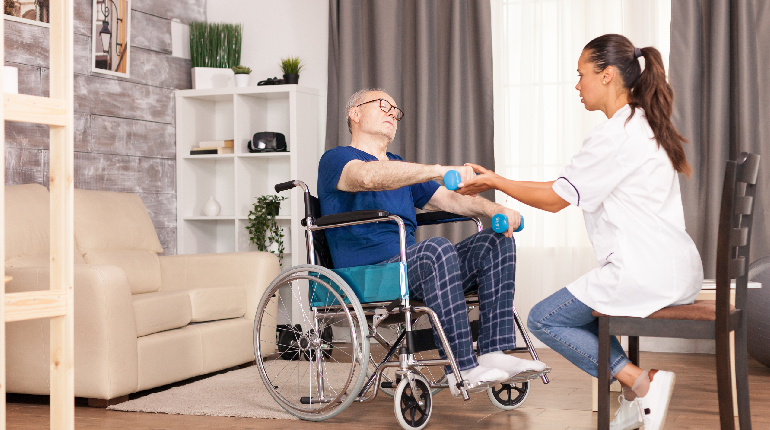
Physical therapy is only effective if it is supported by safe movement throughout the day, making on-site assistance for elderly stroke survivors crucial. Our staff provides the physical support needed for gait training, helping residents move from their beds to common areas safely to prevent falls. This assistance also extends to retraining the body in daily tasks like eating, dressing, and personal hygiene, which are vital for restoring a sense of self-worth. By providing a steady hand and professional guidance, our caregivers help residents gain the confidence to push their physical boundaries in a safe environment. This personalized aid ensures that the resident remains active and mobile, which is essential for preventing muscle atrophy and improving circulation. It is a partnership in movement that leads to greater long-term independence.
The Clinical Value of Regular Health Checks in Rehab
Stroke recovery requires constant vigilance, and regular health checks are the most effective tool for maintaining clinical stability. Our medical team monitors heart rate, blood pressure, and oxygen levels daily to ensure the body is responding well to the rehabilitation program. We also track neurological signs, such as facial symmetry and limb strength, to document the progress of the recovery. These checks provide the data necessary to adjust medication levels and therapy intensity as the resident improves. For families, these reports offer a clear and objective view of their loved one’s healing process. Proactive monitoring is essential for preventing the setbacks that can occur when minor health changes go unnoticed.
Cognitive Restoration through Social Elderly Events
A stroke can often impact speech and cognitive processing, which is why our elderly events are a vital part of the recovery plan. Participating in group conversations, music therapy, and community celebrations helps stimulate the brain and encourages the development of new neural pathways. These social interactions provide a low-pressure environment for residents to practice their speech and social skills with supportive peers. Engaging with others also helps reduce the risk of post-stroke depression, which is a common barrier to physical recovery. Whether it is a shared meal or a light board game, every event is an opportunity for cognitive restoration. Social engagement is a powerful therapeutic tool that complements traditional physical therapy.
Why Assisted Living is the Ideal Setting for Recovery
Artha Senior Care: Specialized Post-Stroke Rehabilitation
Restoring Hope and Independence for Your Family
FAQ's
How long does a typical post-stroke rehabilitation stay last in an assisted living facility?
The duration of a rehabilitation stay varies significantly based on the severity of the stroke and the speed of the resident’s recovery. Some seniors may stay for a few weeks of intensive short-term respite care to regain basic mobility, while others may choose a long-term stay to continue their journey toward independence. Our medical team continuously evaluates the resident’s progress through regular health checks to determine if the care plan needs to be extended. We focus on providing a flexible environment that adapts to the individual’s healing timeline. Ultimately, the goal is to ensure the senior is safe and confident before transitioning to the next phase of their life.
What specific training do caregivers & nurses have for stroke recovery?
Our staff undergoes specialized training in geriatric stroke care, which includes recognizing neurological changes and implementing safe transfer techniques. Nurses are trained in the management of post-stroke medications and are equipped to handle complications like dysphagia (difficulty swallowing) or skin integrity issues. They also work closely with physiotherapists to support the exercises prescribed for motor skill recovery. Emotional support training is also a priority, as staff must help residents manage the mood swings and frustration that can occur after a neurological event. This multidisciplinary expertise ensures that the resident receives comprehensive, expert care throughout their stay.
How does on-site assistance for elderly residents help with speech therapy?
While formal speech therapy is conducted by specialists, our on-site assistants play a vital role in encouraging daily communication and practicing the exercises prescribed. They use patience and specialized communication techniques to help residents express their needs, which helps rebuild the neural pathways for language. By providing a low-stress environment where the resident feels comfortable trying to speak, the staff helps build the confidence necessary for recovery. This constant verbal engagement throughout the day is a powerful supplement to structured therapy sessions. Our caregivers ensure that the resident is socially engaged, preventing the withdrawal that can hinder speech restoration.
Why are regular health checks essential for preventing a second stroke?
The risk of a recurrent stroke is highest in the months following the initial event, making constant monitoring of blood pressure and heart health essential. Regular health checks allow our medical team to identify and manage the risk factors, such as hypertension or irregular heart rhythms, that can lead to a second stroke. By tracking these vitals daily, we can ensure that medications are effective and that the resident’s lifestyle remains heart-healthy. These checks also include monitoring for signs of blood clots or other vascular issues that could cause complications. Proactive health management is the most effective way to protect the resident’s long-term neurological health.
Can stroke survivors with limited mobility participate in elderly events?
Yes, our social events are designed to be inclusive and accessible to all residents, regardless of their current level of mobility. For those with significant physical limitations, activities like music therapy, seated arts and crafts, and gentle cognitive games are available. Our staff provides the necessary on-site assistance to help residents reach the event location and participate to the best of their ability. These social interactions are vital for maintaining a positive outlook and preventing the isolation that can slow down physical recovery. We believe that community engagement is a key component of a holistic and successful rehabilitation program.
