
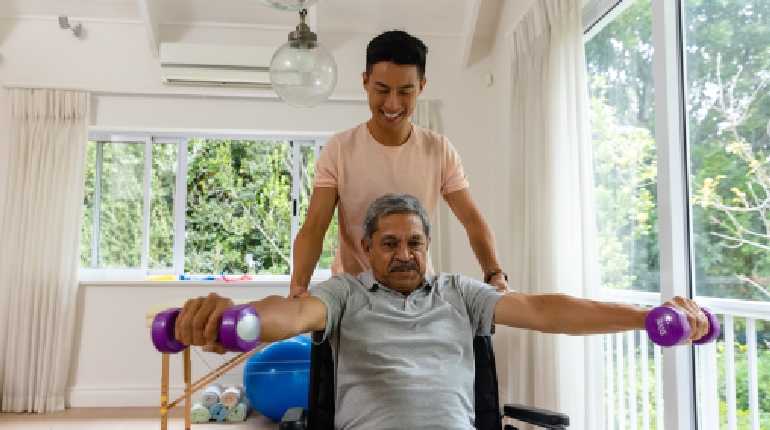
Synopsis
Recovering from a stroke requires a sophisticated, multi-disciplinary clinical approach found exclusively in a residential facility for elders with 24×7 healthcare support. For those seeking stroke rehabilitation senior living in India, the focus is on a high-intensity recovery program that utilizes the “golden period” of neuroplasticity. Within a senior care facility with round the clock healthcare in India, every architectural and clinical element is designed to restore motor skills and speech through daily, professionally supervised therapy. Patients thrive when they are surrounded by people who offer constant emotional encouragement and peer motivation during the challenging journey of neurological repair. The facility’s unwavering commitment to a faster emergency response is vital for preventing and managing the significant risks associated with secondary strokes. By providing specialized round the clock healthcare for seniors in India, these centers ensure that every hour is utilized to restore functional independence and enhance the resident’s quality of life. This blog explores the essential components of professional stroke management in a luxury setting.
Table of Content
- The Critical Role of Early Intervention in Stroke Rehabilitation
- Why a Residential Facility for Elders with 24×7 Healthcare Support is Essential
- Maximizing Results in Stroke Rehabilitation Senior Living in India
- Safety and Monitoring in a Senior Care Facility with Round the Clock Healthcare in India
- Ensuring a Faster Emergency Response for Secondary Stroke Prevention
- The Psychological Power of Staying Surrounded by People
- Artha Senior Care: Leading the Way in Neurological Recovery
- Holistic Support and Specialized Clinical Services at Artha
The Critical Role of Early Intervention in Stroke Rehabilitation
The journey of recovery following a stroke is a race against time, as the brain’s ability to rewire itself—known as neuroplasticity—is at its peak in the immediate months following the event. A residential facility for elders with 24×7 healthcare support provides the consistent, intensive environment required to capitalize on this critical window. In a home setting, therapy is often intermittent and lacks the specialized equipment needed for advanced rehabilitation. However, a professional facility integrates therapy into the resident’s daily life, ensuring that every movement is a step toward regaining lost function. This clinical rigor prevents the “plateau” in recovery that often occurs when rehabilitation is inconsistent or unsupervised. By providing a structured and medically intensive ecosystem, the facility ensures the senior has the best possible chance of reclaiming their physical and cognitive independence.
Why a Residential Facility for Elders with 24x7 Healthcare Support is Essential
For many families, managing a stroke survivor at home becomes an overwhelming logistical challenge involving multiple visiting therapists and 24-hour nursing needs. A residential facility for elders with 24×7 healthcare support simplifies this by centralizing all medical and rehabilitative services under one roof. Skilled nurses monitor the resident’s neurological status around the clock, ensuring that any subtle change in cognition, speech, or motor skill is recorded and addressed immediately. This continuous oversight allows for the real-time adjustment of care plans, which is essential for a condition as dynamic as stroke recovery. Furthermore, the facility handles all domestic burdens, allowing the resident and their family to focus entirely on the healing process. This transition to a professional environment is a move toward a more predictable and successful recovery outcome.
Maximizing Results in Stroke Rehabilitation Senior Living in India
Stroke rehabilitation senior living in India focuses on a multidisciplinary approach that includes neuro-physiotherapy, speech therapy, and occupational therapy. These specialized sessions are designed to help the senior relearn “activities of daily living,” such as dressing, eating, and safe movement. In a professional community, the resident has access to in-house therapy rooms equipped with the latest assistive technologies. This level of dedicated care ensures that the rehabilitation is not just about physical strength, but about restoring the senior’s ability to navigate their world with dignity. The presence of a senior care facility with round the clock healthcare in India ensures that these therapies are conducted safely, with medical staff always on hand to monitor the resident’s heart rate and oxygen levels during exertion.
Safety and Monitoring in a Senior Care Facility with Round the Clock Healthcare in India
Safety is the primary architectural and clinical goal in any senior care facility with round the clock healthcare in India managing stroke survivors. Stroke patients often face a high risk of falls due to hemiparesis or balance impairment. A specialized facility provides a 100% zero-barrier environment, utilizing anti-slip flooring, wide corridors, and specialized grab bars that allow the resident to practice movement without fear. Professional caregivers assist with every transfer, ensuring that the resident remains safe while building their physical confidence. Additionally, the constant presence of nursing staff ensures that medications to prevent future strokes—such as anticoagulants—are administered with total precision. This safe and supportive infrastructure is essential for maintaining long-term neurological stability and physical health.
Ensuring a Faster Emergency Response for Secondary Stroke Prevention
The ability to provide a faster emergency response is a lifesaving necessity for stroke survivors, who remain at a significantly elevated risk for a secondary stroke. If a secondary event occurs, the speed of medical intervention is the single most important factor in determining the extent of brain damage. In a specialized facility, a faster emergency response is guaranteed because the clinical team is on-site 24/7 and is trained to recognize the earliest warning signs of neurological distress. They can perform immediate stabilization and coordinate rapid transfer to a tertiary hospital using pre-arranged emergency protocols. This immediate medical safety net provides a level of protection that living at home simply cannot provide, giving both the resident and their family total peace of mind during the recovery phase.
The Psychological Power of Staying Surrounded by People
The emotional road to recovery can be long and taxing, making the benefit of being surrounded by people who understand the journey invaluable. Stroke survivors often struggle with post-stroke depression or a sense of isolation due to communication barriers like aphasia. In a professional community, the patient is naturally surrounded by people—including peers who are facing similar challenges and staff who provide constant emotional support. Seeing others make progress provides a powerful source of motivation and hope. Shared activities and communal dining help the senior practice their social and language skills in a non-judgmental, warm environment. This sense of community and belonging is a powerful catalyst for both neurological healing and emotional resilience, ensuring the senior stays motivated to reach their milestones.
Artha Senior Care: Leading the Way in Neurological Recovery
Artha Senior Care is widely recognized as a premier destination for stroke rehabilitation senior living in India, offering a sophisticated blend of clinical rigor and compassionate care. Our brand is committed to the principle that recovery should be as comfortable and dignified as it is medically effective. The USPs of Artha include a dedicated neuro-physiotherapy department, customized speech therapy sessions, and a guaranteed 20-second emergency response time. We specialize in managing the complex needs of stroke survivors, from intensive wound care to specialized nutritional support for those with swallowing difficulties. Our facility is designed to be 100% elder-friendly, ensuring that our residents can focus entirely on their rehabilitation in a safe, luxurious, and supportive Gurgaon home.
Holistic Support and Specialized Clinical Services at Artha
Our services at Artha are designed to provide a comprehensive and personalized recovery journey for every stroke survivor we care for. We offer 24/7 skilled nursing, regular consultations with visiting neurologists, and specialized round the clock healthcare for seniors in India to prevent secondary events. Our facility features elegant private rooms with hospital-grade safety features, ensuring that our residents enjoy both luxury and clinical security. We also prioritize the mental and emotional well-being of our residents through engaging social programs and cognitive stimulation activities. At Artha, we work closely with the resident’s family to provide regular progress updates and counseling. Our ultimate goal is to empower our seniors to reclaim their functional independence and enjoy their golden years with maximum dignity and joy.
FAQ's
Why is a residential facility for elders with 24x7 healthcare support better for stroke recovery?
A residential facility for elders with 24×7 healthcare support is superior because it provides a consistent, 24-hour therapeutic environment that is impossible to replicate at home. Stroke recovery requires frequent, professional therapy sessions and constant monitoring to prevent complications like infections or bedsores. In a specialized facility, nurses and therapists work as a unified team to ensure the resident’s rehabilitation plan is followed with 100% accuracy. Additionally, the zero-barrier architecture ensures the resident can practice movement safely. This intensive level of clinical support maximizes the brain’s ability to recover lost functions and helps the senior return to functional independence much faster than home-based care.
What specific therapies are offered in stroke rehabilitation senior living in India?
Stroke rehabilitation senior living in India offers a multidisciplinary range of therapies tailored to the specific needs of the individual. This includes neuro-physiotherapy to improve balance and motor function, speech and language therapy to address aphasia, and occupational therapy to help relearn daily tasks. Many facilities also provide cognitive rehabilitation to help with memory and executive function. Having all these specialists in one location ensures a holistic recovery. At Artha, these sessions are conducted daily in an in-house physiotherapy room, ensuring the resident receives the high-intensity stimulation needed for neurological repair in a comfortable and safe setting.
How does a senior care facility with round the clock healthcare in India prevent a second stroke?
A senior care facility with round the clock healthcare in India prevents a second stroke through strict medication management and constant physiological monitoring. Survivors are often on a complex regime of anticoagulants and blood pressure medications that must be taken with total precision. Skilled nurses monitor the resident’s vitals multiple times a day to identify any spikes in blood pressure or heart rate that could trigger another event. Furthermore, the facility provides heart-healthy, low-sodium nutrition and supervised exercise to manage the underlying causes of stroke, such as hypertension or diabetes. This clinical vigilance provides a much stronger defensive layer than home-based care.
What is the benefit of being surrounded by people during the stroke recovery process?
Being surrounded by people is a vital emotional catalyst that prevents the depression and social withdrawal often seen in stroke survivors. Recovering from a stroke can be a long and frustrating journey, and having a community of peers provides essential motivation. In a community setting, residents are surrounded by people who offer empathy and friendship, helping to rebuild the resident’s social confidence. Group activities and communal dining provide natural opportunities to practice speech and communication skills. This social engagement keeps the mind active and the spirit resilient, which are both critical for maintaining the focus and energy required for physical rehabilitation.
Why is a faster emergency response critical for stroke survivors?
A faster emergency response is critical because stroke survivors have a higher risk of experiencing acute neurological or cardiac events. In a medical crisis, “time is brain,” and every minute without intervention can lead to permanent damage. In a facility providing specialized round the clock healthcare for seniors in India, the medical response begins within seconds of an alarm alert. On-site nurses can stabilize the resident and initiate life-saving protocols immediately. This rapid intervention window ensures that the resident reaches a tertiary hospital in the best possible condition. This immediate clinical safety net is the most significant advantage of choosing a professional care facility for a loved one.
