
Synopsis
Memory care requires a safe, structured, and compassionate environment that only a premier assisted living facility can provide to ensure long-term stability. Our dedicated caregivers & nurses are specifically trained in dementia and Alzheimer’s support, offering specialized on-site assistance for elderly residents who may experience periods of confusion, agitation, or wandering. We understand that maintaining physical health is a priority, which is why we conduct regular health checks to monitor vitals and nutritional intake without causing distress to the resident. This high standard of quality senior care is further enhanced by sensory-focused elderly events that are designed to stimulate memory and promote a sense of calm. By providing a secure, zero-barrier environment, we eliminate the hazards of a traditional home, allowing residents to live with dignity and grace. This blog discusses the clinical benefits of specialized memory care and how a professional team can manage the complex behavioral changes associated with the disease. Learn how a structured routine and a supportive community can improve the daily experience for both the senior and their family. We are committed to providing a sanctuary where your loved ones feel understood, safe, and truly at home.
Table of Content
- Navigating the Challenges of Progressive Memory Loss
- Creating a Secure Environment in Assisted Living
- Expert Support: The Role of Caregivers & Nurses in Dementia
- Dignified On-site Assistance for Elderly Memory Care Patients
- Monitoring Wellness through Gentle Regular Health Checks
- The Therapeutic Impact of Memory-Focused Elderly Events
- Artha Senior Care: A Dedicated Leader in Alzheimer’s Support
- Providing Peace of Mind for Families Navigating Memory Loss
Navigating the Challenges of Progressive Memory Loss
Alzheimer’s disease is a journey that affects not just the individual, but the entire family structure, often leading to significant emotional and physical exhaustion for home caregivers. Providing quality senior care in the context of memory loss requires a deep understanding of the “sundowning” effect, communication barriers, and the need for constant supervision. In a specialized facility, the focus is on creating a “failure-free” environment where the senior doesn’t feel frustrated by their cognitive limitations. This involves using specialized communication techniques and environmental cues to help the resident navigate their day. By addressing the psychological needs of the resident alongside their physical health, we create a balanced atmosphere of safety and respect. Professional care ensures that the resident’s dignity remains intact even as the disease progresses.
Creating a Secure Environment in Assisted Living
One of the primary reasons families choose assisted living for memory care is the need for a secure, wander-managed environment. Our facility is designed with zero-barrier pathways and secure exits that prevent residents from accidentally leaving the safety of the community. Within this framework, residents have the freedom to explore our 10,000 square feet of common areas without the risk of getting lost or injured. The architectural design uses soft lighting and clear signage to reduce the confusion that often triggers anxiety in Alzheimer’s patients. This physical security allows the family to rest easy, knowing their loved one is in a space specifically built for their protection. A safe environment is the first step in managing the complex symptoms of cognitive decline.
Expert Support: The Role of Caregivers & Nurses in Dementia
The medical and behavioral management of Alzheimer’s requires the expertise of trained caregivers & nurses who understand the nuances of the disease. These professionals are skilled in “validation therapy,” helping residents navigate their reality without causing unnecessary conflict or stress. They manage the complex medication schedules that help stabilize mood and slow the progression of symptoms. Having clinical staff on-site 24/7 means that any sudden changes in health or behavior are addressed with professional empathy and medical precision. Their role is to provide a consistent and calming presence, which is essential for reducing the agitation often seen in memory care. Expert nursing care transforms the daily experience for residents from one of confusion to one of supported calm.
Dignified On-site Assistance for Elderly Memory Care Patients
Personal care can become a source of stress for those with memory loss, making respectful on-site assistance for elderly residents a core component of our service. Our staff is trained to provide help with bathing, dressing, and grooming in a way that is unhurried and sensitive to the resident’s personal space. This assistance ensures that the resident maintains a high standard of hygiene and self-esteem without feeling overwhelmed by the process. By providing gentle guidance and physical support, our caregivers help residents complete their daily routines with a sense of accomplishment. This localized aid is vital for preventing the accidents that can occur when a senior with memory loss tries to navigate personal tasks alone. Dignity is at the heart of every interaction we provide.
Monitoring Wellness through Gentle Regular Health Checks
Physical health issues can often exacerbate the symptoms of dementia, which is why regular health checks are conducted with extreme care and gentleness. Our nurses monitor for common geriatric issues such as dehydration, infections, or nutritional deficiencies that a memory-impaired senior might not be able to communicate. These checks are integrated into the resident’s natural routine to avoid the “white coat syndrome” that can cause anxiety. By keeping a close eye on physical vitals and weight, we ensure that the resident remains physically strong, which in turn supports their cognitive stability. Proactive health monitoring is a silent guardian of well-being in a memory care setting. Transparent health reports keep families informed and involved in every step of the medical journey.
The Therapeutic Impact of Memory-Focused Elderly Events
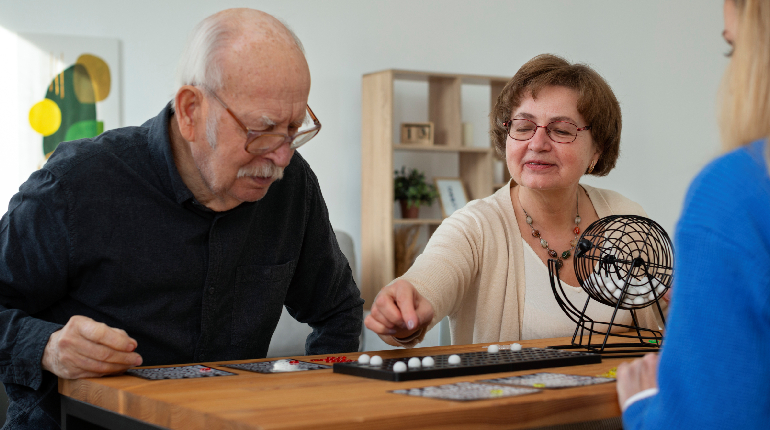
Engagement is a powerful tool for maintaining cognitive function, which is why we curate specific elderly events for our memory care residents. Activities such as music therapy, looking through old photographs, and sensory gardening help trigger long-term memories and provide a sense of connection. These events are designed to be inclusive and low-stress, focusing on the enjoyment of the moment rather than the completion of a task. Socializing with peers and staff in a structured setting reduces the isolation that can often worsen the symptoms of Alzheimer’s. Whether it is a celebratory meal or a gentle art session, every event is an opportunity for joy and neural stimulation. Community life is essential for maintaining the emotional health of those living with memory loss.
Artha Senior Care: A Dedicated Leader in Alzheimer’s Support
Artha Senior Care has spent seven years establishing a reputation for excellence in quality senior care for the memory-impaired community in India. Our facility in Gurgaon features 32 luxury rooms and extensive common facilities designed for safe, barrier-free movement. We maintain a high staff-to-resident ratio, ensuring that our caregivers & nurses can provide the intensive, one-on-one attention that Alzheimer’s care demands. Our USPs include a secure environment, in-house physiotherapy, and 24/7 health monitoring tailored to the needs of memory care patients. We treat every resident with the same patience and respect we would offer our own family members. At Artha, we are dedicated to providing a life of meaning and security for every elder in our care.
Providing Peace of Mind for Families Navigating Memory Loss
Our mission at Artha is to alleviate the “cultural guilt” and physical burden often associated with Alzheimer’s care by providing a professional sanctuary for your loved ones. We offer flexible stay packages for both short-term respite and long-term assisted living to meet your family’s needs. Our services include 24×7 ambulance access, customized diet plans, and a secure environment that prioritizes the resident’s safety above all else. We provide a transparent care model where you are regularly updated on your relative’s health and happiness quotient. By choosing Artha, you are ensuring that your loved one is in an environment where they are truly seen, heard, and protected. Experience the comfort of knowing that your elder is receiving the best possible care in a setting that values their dignity. Visit us to learn how we can support your family’s journey.
FAQ's
What makes quality senior care different when dealing with Alzheimer’s patients?
Quality care for Alzheimer’s focuses on creating a low-stress, predictable environment that minimizes the triggers for anxiety and confusion. It involves staff who are specifically trained in dementia-care techniques, such as redirection and validation, rather than simply providing basic medical aid. The facility must be physically secure to prevent wandering, yet designed to look and feel like a warm residence rather than a clinical institution. Furthermore, the social activities must be adapted to the cognitive levels of the residents to ensure they feel a sense of success and belonging. Ultimately, quality is defined by the resident’s sense of calm and the family’s sense of security.
How do caregivers & nurses handle the behavioral changes associated with dementia?
Our caregivers and nurses use evidence-based behavioral interventions to manage symptoms like agitation, aggression, or repetitive questioning. They focus on identifying the “unmet need” behind the behavior, whether it is hunger, pain, or the need for a bathroom, and address it with patience and empathy. Medications are used judiciously as part of a broader care plan that prioritizes environmental and social support. The staff is trained to remain calm and use a gentle tone of voice, which can help de-escalate stressful situations quickly. This professional expertise ensures that the environment remains peaceful for all residents.
Is assisted living safe for seniors who have a tendency to wander?
Yes, a professional assisted living facility like Artha is specifically designed to be safe for seniors with wandering tendencies. We use a combination of secure architectural design, 24/7 staffing, and electronic monitoring to ensure that residents can move freely within the safe common areas without reaching unsupervised exits. This allows the senior to stay active and explore their environment safely, which is essential for their physical and mental health. The presence of staff on every floor ensures that a resident is never truly alone, providing an immediate response if they appear confused or lost. Security is our top priority in memory care management.
How are regular health checks adapted for seniors who are confused?
Regular health checks are adapted by being performed in a non-threatening, conversational manner that does not overwhelm the resident. Nurses often perform checks while the resident is engaged in a favorite activity or relaxing in their room, making the process feel like a natural part of the day. They use non-invasive tools and explain each step in simple, reassuring language to maintain the resident’s trust. If a resident becomes distressed, the staff will pause and try again later, prioritizing the senior’s emotional comfort. This patient approach ensures that vital health data is collected without causing unnecessary trauma.
Can elderly events help slow down the progression of memory loss?
While there is no cure for Alzheimer’s, participating in structured elderly events can help maintain cognitive function and slow the decline by keeping the brain engaged. Social interaction and sensory stimulation help preserve communication skills and reduce the risk of secondary depression, which can accelerate memory loss. Activities like music therapy and reminiscing have been shown to improve mood and cognitive clarity in the short term. These events provide a sense of structure and routine, which is very comforting for those with memory impairments. Engaging with a community of peers provides the emotional support needed to live a more fulfilling life.
