
Synopsis
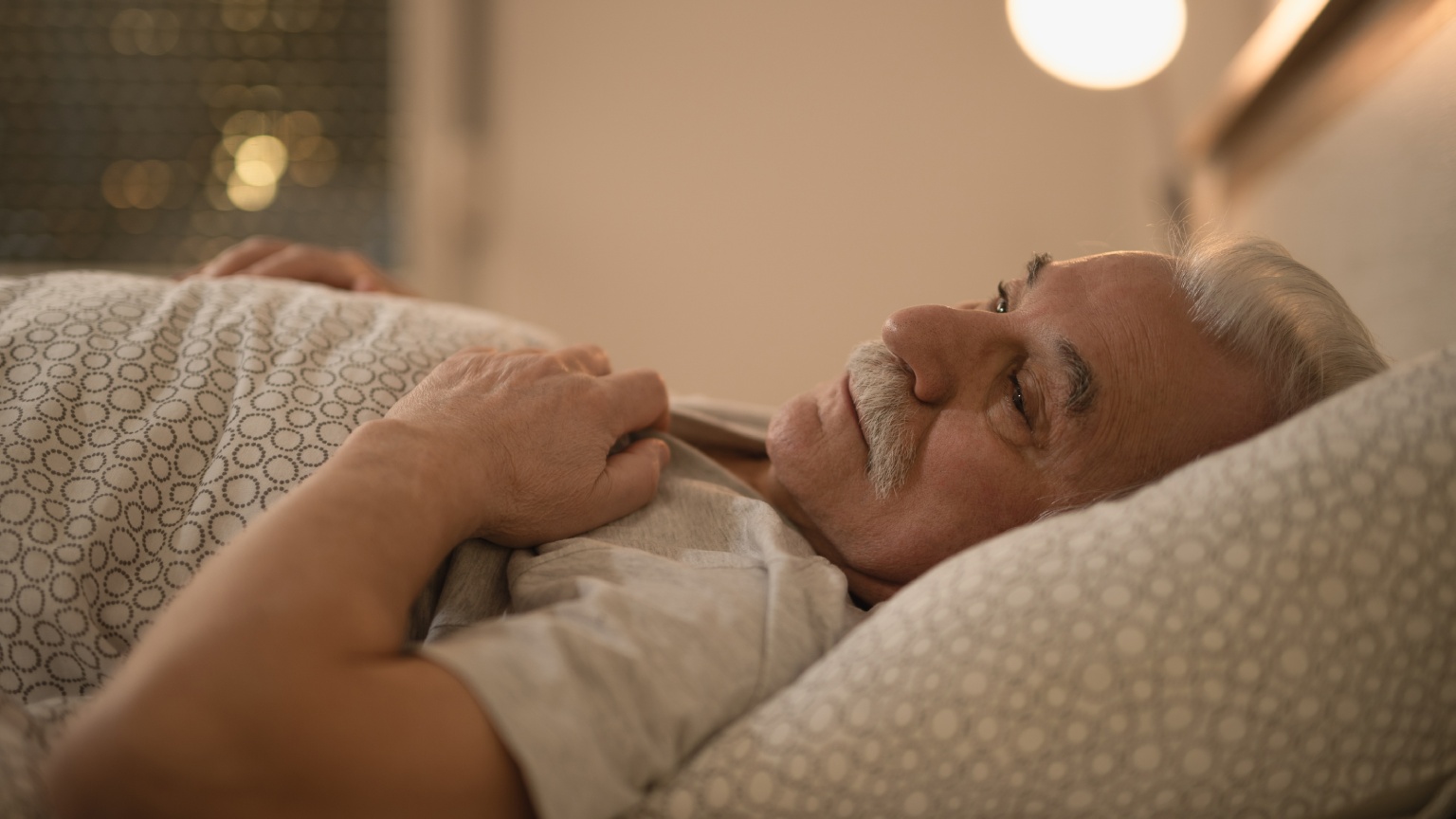
Restorative sleep is essential for immune resilience, cognitive sharpness, and emotional balance, yet age-related disruptions to the circadian rhythm frequently leave older adults struggling with insomnia and fragmented rest. Our specialized assisted living community provides a holistic sleep hygiene framework designed to realign natural biological clocks while ensuring nighttime safety. Skilled caregivers & nurses manage evening routines, medication timing, and nocturnal check-ins with absolute gentleness, preventing nighttime falls without disrupting sleep. Delivering high-standard quality senior care means addressing the root causes of sleep disturbances, combining environmental design—such as natural daylight exposure, non-glare lighting, and noise reduction—with structured daytime physical activity. Residents undergo regular health checks to track sleep patterns, oxygen saturation, and cardiovascular stability, ensuring early detection of issues like sleep apnea or restless leg syndrome. To promote natural daytime wakefulness, structured social interaction and light movement are integrated into our calendar of vibrant elderly events. With dedicated on-site assistance for elderly nocturnal transfers, we ensure that every resident experiences restful nights and energized days in a secure luxury sanctuary. Read on to discover how our circadian care model restores sleep health and daily vitality.
Table of Content
- Understanding the Science of Age-Related Circadian Shifts
- Nighttime Safety and Clinical Vigilance by Caregivers & Nurses
- Environmental Design and Daylight Optimization in Assisted Living
- Identifying Sleep Disruptions through Regular Health Checks
- Nocturnal Support with On-site Assistance for Elderly Needs
- Enhancing Daytime Energy via Engaging Elderly Events
- Artha Senior Care: Seven Years of Excellence in Geriatric Wellness
- Reclaim Restful Nights and Vibrant Days with Artha
Understanding the Science of Age-Related Circadian Shifts
As the human body ages, changes in melatonin production and neurological structure often alter the natural sleep-wake cycle, leading to early awakenings, daytime drowsiness, and fragmented nighttime rest. Chronic sleep deprivation in older adults is not an inevitable part of aging; rather, it is a managed medical issue that significantly increases the risk of cognitive decline, cardiovascular stress, and emotional depression. High-standard quality senior care addresses sleep health proactively by managing environmental lighting, physical activity, and evening routines to support natural circadian rhythms. In a standard domestic environment, unmanaged sleep issues often lead to late-night wandering, hazardous trips in the dark, and severe exhaustion for family caregivers. A managed residential community resolves these challenges by introducing evidence-based sleep hygiene protocols within a zero-barrier, quiet setting. Restoring natural sleep architecture is fundamental for physical healing and emotional well-being, and we provide the expert framework to achieve it safely.
Nighttime Safety and Clinical Vigilance by Caregivers & Nurses
Managing sleep health in an elderly population requires a careful balance between continuous medical surveillance and maintaining a quiet, restful environment, which is led by our certified caregivers & nurses. Our nursing team manages prescription timing with precision, ensuring that diuretics are administered early in the day to prevent frequent nighttime urination and that sleep-supporting medications are given consistently. Floor nurse stations remain active 24/7, providing immediate assistance whenever a resident wakes up or requires nocturnal help. Caregivers conduct discreet night checks using non-intrusive monitoring systems and low-intensity red lighting to avoid disrupting deep sleep phases. Having medical professionals present throughout the night eliminates the anxiety of late-night emergencies, allowing residents to relax completely into sleep. Expert nursing oversight ensures that nighttime safety remains silent, gentle, and scientifically managed around the clock.
Environmental Design and Daylight Optimization in Assisted Living
Realigning a disrupted circadian rhythm depends heavily on environmental lighting queues that signal wakefulness and rest to the brain. Choosing assisted living at Artha provides access to a purpose-built environment featuring expansive sunlit lounges and accessible garden pathways that maximize morning and afternoon daylight exposure. Exposure to natural sunlight boosts daytime serotonin levels, which naturally convert into melatonin during evening hours to promote deep sleep. As evening approaches, our facility utilizes warm, dimmable indoor lighting and sound-absorbing acoustic materials to create a calm, sleep-inducing atmosphere across all private luxury suites. Bedrooms feature black-out drapery, climate-controlled heating and cooling, and silent emergency pull cords to optimize sleep comfort. Purpose-built environmental design serves as a powerful natural tool for restoring consistent, restorative sleep patterns.
Identifying Sleep Disruptions through Regular Health Checks
Sleep quality must be monitored continuously to identify underlying physiological issues—such as nocturnal hypertension, sleep apnea, or glucose drops—that disrupt nighttime rest. Our clinical staff performs regular health checks to track sleep duration, nighttime oxygen levels, blood pressure stability, and daytime alertness. By keeping detailed digital logs of sleep architecture and vital signs, our nurses compile an objective health profile that is shared transparently with visiting geriatricians and family members. Catching biological sleep disruptions early allows our medical team to adjust care plans, introduce continuous positive airway pressure (CPAP) support if prescribed, or modify evening nutrition to prevent nocturnal indigestion. Data-driven health tracking guarantees that sleep management remains scientific, proactive, and tailored to the resident’s physiological needs.
Nocturnal Support with On-site Assistance for Elderly Needs
Nighttime awakenings represent one of the highest-risk windows for accidental falls, as seniors moving in the dark while groggy can easily lose balance or become disoriented. Our facility addresses this vulnerability by delivering dedicated, immediate on-site assistance for elderly residents during all nocturnal transfers and bathroom visits. Every private suite features motion-activated floor lighting and strategically placed bedside alarm switches that alert floor nurse stations instantly when pulled. Caregivers arrive at the bedside within moments to provide gentle physical bracing and steadying guidance, ensuring safe movement without fully waking or startling the resident. Staff also assist with nighttime positioning, hydration, and adjusting bedding for maximum physical ease. Attentive physical handling provides an absolute safety net during dark hours, protecting residents from fall risks completely.
Enhancing Daytime Energy via Engaging Elderly Events
A primary cause of nighttime insomnia is daytime inactivity and excessive napping caused by boredom or social isolation. Our community resolves this cycle by surrounding residents with a structured schedule of lively, morning and afternoon elderly events. We host sunlit gardening circles, chair fitness sessions, cognitive strategy games, interactive music therapy, and festive social feasting in our open lounges. Staying active and engaged with peers throughout the day provides healthy physical tiredness, making it far easier to fall asleep and stay asleep at night. Our activity coordinators monitor daytime energy levels, ensuring that physical exercise is scheduled during peak morning hours while relaxing, low-energy activities occur in the late afternoon. Combining social connection with daytime physical engagement is the most effective natural strategy for building strong circadian rhythm health.
Artha Senior Care: Seven Years of Excellence in Geriatric Wellness
Artha Senior Care has spent over seven years setting the benchmark for premium elder care across Gurgaon, combining luxury residential comfort with hospital-grade clinical monitoring. Our purpose-built facility features 32 private luxury suites and over 10,000 square feet of barrier-free common spaces engineered for total senior accessibility and safety. We maintain an exceptional staff-to-resident ratio, utilizing a team of 30 dedicated professionals, including expert caregivers & nurses who manage our floor nursing stations 24/7. Our comprehensive services encompass customized dietitian-approved nutrition plans, in-house physiotherapy, specialized memory care, and 24/7 emergency response protocols. Whether your family requires temporary respite care or a permanent residential home, Artha offers a trusted sanctuary where older adults age with absolute dignity, physical safety, and restful sleep.
Reclaim Restful Nights and Vibrant Days with Artha
Selecting the right care community for an aging parent means choosing a partner that prioritizes sleep hygiene, physical safety, and overall quality of life equally. Artha Senior Care offers a complete, integrated framework that eliminates nighttime anxieties while surrounding your family with professional medical oversight. Our premises feature high-traction flooring, medical elevators, zero-threshold entries, and an emergency response network that includes an on-site ambulance on call 24/7. We relieve the physical and emotional exhaustion of family members managing nighttime care at home, giving you total peace of mind knowing your parent is sleeping safely. Our transparent communication policy ensures that you receive regular digital updates on your parent’s sleep quality and daytime engagement. Contact us today at 9910096766 or via email at tanya@arthaseniorcare.com to schedule your personalized guided tour of our facilities.
FAQ's
How does Artha help seniors who experience "sundowning" or evening agitation?
“Sundowning”—a state of confusion or agitation that occurs in the late afternoon or evening—is common in seniors with cognitive decline or disrupted circadian rhythms. Our caregivers & nurses manage evening hours by closing window drapes early, turning on warm, non-glare interior lighting, and minimizing loud background noise in common lounges. We engage residents in calming, low-energy activities such as aromatherapy, soothing music therapy, or hand massages to reduce anxiety naturally. Staff also ensure that evening meals are light and free from caffeine or heavy sugars. This structured, soothing environment helps de-escalate restlessness, making the transition to nighttime sleep calm and predictable.
How are nighttime bathroom visits managed safely without disturbing the resident's sleep?
Nighttime bathroom transfers are managed using motion-activated low-level floor lighting that illuminates pathways safely without blinding the resident or waking them fully. When a resident sits up or pulls a bedside alarm switch, our caregivers & nurses arrive in under 30 seconds to provide gentle, quiet physical guidance. Caregivers assist with unhurried movement, ensuring safe transfers to and from bathroom fixtures while maintaining a calm, quiet demeanor that preserves the resident’s sleepy state. This specialized support eliminates fall risks completely while allowing the resident to return to sleep quickly.
Why is natural sunlight exposure so important for senior sleep health?
Natural sunlight is the primary environmental signal that regulates the brain’s internal circadian clock. Morning sunlight exposure stops the production of melatonin (the sleep hormone) and boosts serotonin, signaling to the brain that it is time to be alert and energetic. This natural boost ensures that when darkness falls, the brain produces adequate melatonin to induce deep, restful sleep. In our assisted living facility, we encourage residents to spend time in sunlit lounges, balconies, and accessible gardens every morning. Sunlight exposure is a critical non-pharmacological tool for reversing insomnia and daytime drowsiness.
How do regular health checks evaluate sleep hygiene and sleep apnea risks?
Our clinical staff performs regular health checks that track daytime drowsiness scores, nighttime wakefulness episodes, blood pressure stability, and blood oxygen saturation during sleep. If a resident exhibits loud snoring, gasping for air, or sudden drops in nighttime oxygen, our medical team logs these findings and coordinates with visiting sleep specialists to evaluate for obstructive sleep apnea (OSA). If CPAP therapy is prescribed, our nurses manage equipment setup, mask cleaning, and compliance monitoring nightly. Data-driven health tracking ensures that medical sleep disruptions are diagnosed and treated promptly.
Why is an assisted living community safer for nighttime senior care than living alone at home?
Seniors living alone at home face severe safety risks during night hours, including accidental falls in the dark, confusion during bathroom visits, and unmanaged medical emergencies. Family caregivers or single home aides often suffer from severe sleep deprivation, leaving gaps in nighttime supervision. An assisted living community like Artha provides 24/7 floor nursing stations, motion-activated safety lighting, bedside emergency call switches, and an emergency response team that arrives in under 30 seconds. Residential care offers a significantly higher baseline of nocturnal physical safety, medical security, and restful peace of mind.
