
Synopsis
Proper blood sugar control is essential for preventing long-term complications in the elderly, which is why regular health checks are performed daily by our medical staff to ensure physiological stability. Our professional caregivers & nurses manage insulin administration and specialized diabetic diets with clinical precision as part of our rigorous quality senior care standards. In our premier assisted living community, residents receive dedicated on-site assistance for elderly foot care and hygiene, significantly reducing the risks associated with diabetic neuropathy. We believe that a diagnosis should not limit a senior’s lifestyle, which is why our active elderly events help maintain a healthy, balanced metabolism through managed movement and social joy. By integrating medical vigilance into the natural rhythm of a luxury lifestyle, we remove the stress of self-management for the senior and their family. This blog discusses the importance of a structured medical environment in managing type 2 diabetes and how professional oversight can enhance longevity. Discover how our multidisciplinary team coordinates nutrition, exercise, and medication to provide a safe and fulfilling life for diabetic residents. We are committed to providing a sanctuary where health is monitored and happiness is celebrated every day.
Table of Content
- The Challenges of Managing Geriatric Diabetes
- Clinical Excellence: The Role of Caregivers & Nurses
- The Vital Importance of Regular Health Checks
- Nutritional Management in an Assisted Living Setting
- Ensuring Safety with On-site Assistance for Elderly Residents
- Staying Active through Inclusive Elderly Events
- Artha Senior Care: Seven Years of Specialized Metabolic Support
- A Secure and Sweet Future with Artha
The Challenges of Managing Geriatric Diabetes
Managing diabetes in the elderly is significantly more complex than in younger populations due to the higher risk of hypoglycemia and the presence of other age-related chronic conditions. Providing quality senior care means recognizing that a senior’s body may not always signal traditional symptoms of blood sugar fluctuations, making professional observation essential. In a home setting, the burden of tracking glucose levels, managing complex pill schedules, and preparing specific meals often leads to “caregiver fatigue” and medical errors. A specialized facility addresses these challenges by providing a controlled environment where every variable—from activity levels to carbohydrate intake—is monitored. Our goal is to maintain a stable glycemic index while ensuring the resident enjoys a varied and flavorful diet. Understanding the specific risks of geriatric diabetes is the first step toward preventing complications like kidney issues or vision loss.
Clinical Excellence: The Role of Caregivers & Nurses
The daily management of a diabetic resident is led by our skilled caregivers & nurses, who are trained in the latest protocols for metabolic health. They are responsible for the painless and precise administration of insulin and oral medications, ensuring that doses are perfectly timed with meals. Beyond medication, they are the first line of defense in identifying subtle changes in a resident’s energy levels or cognitive clarity that could indicate a sugar spike or drop. Having clinical professionals on-site twenty-four hours a day provides a level of security that is vital for residents on intensive insulin therapy. Their expertise also includes specialized wound care and monitoring for skin integrity, which is crucial for those with poor circulation. Expert nursing care is the clinical heart of our diabetes management program.
The Vital Importance of Regular Health Checks
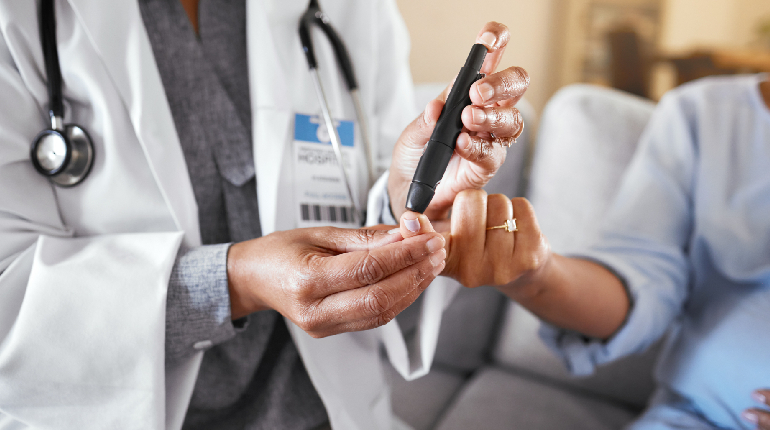
Consistency is the most effective tool in managing a chronic metabolic condition, which is why regular health checks are a non-negotiable part of our daily routine. Our medical team performs glucose monitoring at strategic times—before and after meals—to get a true picture of how the resident’s body is responding to their diet and treatment. These routine screenings also include monitoring blood pressure, weight fluctuations, and kidney function indicators. By keeping a detailed longitudinal record of these metrics, we can provide the resident’s endocrinologist with objective data for fine-tuning prescriptions. This data-driven approach allows us to stay ahead of the “silent” symptoms of diabetes, ensuring the resident remains stable. Proactive monitoring provides the ultimate safety net for long-term health.
Nutritional Management in an Assisted Living Setting
Diet is the cornerstone of diabetes control, and choosing assisted living at a professional facility ensures that every meal is heart-healthy and glycemic-aware. Our chefs and nutritionists coordinate to create custom menus that are high in fiber and low in refined sugars, without sacrificing the joy of eating. We focus on “slow-release” carbohydrates and lean proteins that provide steady energy throughout the day. By removing the stress of grocery shopping and meal preparation, we allow residents to focus entirely on their social lives and wellness. We also manage portion sizes and meal timing, which are critical factors in preventing dangerous post-meal glucose spikes. It is a comprehensive dining experience designed to nourish the body and the spirit.
Ensuring Safety with On-site Assistance for Elderly Residents
For diabetic seniors, minor issues like a small blister or a dry patch of skin can escalate into serious health concerns, making reliable on-site assistance for elderly residents a critical service. Our staff provides daily assistance with foot inspections and moisturizing, ensuring that skin integrity is maintained and potential infections are caught early. This support also extends to helping residents navigate the facility safely, as diabetes can sometimes affect balance and peripheral sensation. By providing a steady hand and professional guidance, we ensure that residents can stay mobile and active without the risk of falls or injury. This localized aid is delivered with the utmost respect and dignity, ensuring the resident feels cared for and protected. Personal assistance ensures that the small details of diabetic health are never overlooked.
Staying Active through Inclusive Elderly Events
Physical activity is a powerful natural tool for lowering blood sugar, which is why our elderly events are so carefully integrated into our care model. We curate activities such as gentle walking groups, seated yoga, and light dance therapy that encourage movement in a safe, social setting. Participating in these events helps residents maintain muscle mass, which improves insulin sensitivity and overall metabolism. Beyond the physical benefits, social engagement lowers stress levels, which has a direct positive impact on glucose stability. These events are designed to be inclusive, ensuring that residents with varying levels of mobility can participate and feel a sense of belonging. A happy and active social life is an essential component of a successful diabetes care plan.
Artha Senior Care: Seven Years of Specialized Metabolic Support
Artha Senior Care has spent seven years delivering quality senior care with a specialized focus on the metabolic and cardiovascular health of our elders in Gurgaon. Our facility offers 32 luxury rooms and 10,000 square feet of common areas designed for zero-barrier movement and healthy living. We are proud of our dedicated team of 30 staff members, including the caregivers & nurses who provide round-the-clock medical supervision. Our USPs include in-house physiotherapy, customized diabetic diet plans, and 24/7 health monitoring for every resident. We believe that managing a condition like diabetes is an art that requires both technical skill and deep empathy. At Artha, we treat every resident with the personalized expertise and respect they deserve.
A Secure and Sweet Future with Artha
Choosing Artha is an investment in your relative’s physical future, providing them with the professional support needed to manage diabetes safely and effectively. We offer a variety of stay packages for independent living, assisted living, and short-term respite care to suit every family’s needs. Our services include 24×7 ambulance access, regular community events, and a transparent health-monitoring system that keeps you informed of every medical milestone. We alleviate the pressure on family caregivers by providing professional medical oversight and 24/7 clinical monitoring in a luxury setting. Our wheelchair-accessible premises and dedicated staff ensure that your elders are treated with the dignity and specialized attention they deserve. By choosing Artha, you are giving your loved one the gift of a stronger, safer, and more vibrant lifestyle. Visit us today to experience the Artha difference in geriatric diabetes management.
FAQ's
How does a diabetic-friendly menu in a senior facility help in glucose control?
A diabetic-friendly menu is essential because it focuses on complex carbohydrates, high fiber, and lean proteins that prevent sudden spikes in blood sugar. Our nutritionists at Artha carefully balance the macronutrients in every meal to ensure a slow and steady release of energy throughout the day. We avoid high-glycemic foods and hidden sugars, which are common in standard domestic diets. By providing consistent, well-timed meals, we help residents maintain stable glucose levels without the need for constant dietary restriction. This professional nutritional management is a key pillar of our holistic approach to senior health and wellness.
What specific training do caregivers & nurses have for hypoglycemia emergencies?
Our caregivers and nurses are trained to recognize the rapid onset of hypoglycemia (low blood sugar), which can present as confusion, sweating, or shakiness in the elderly. They have immediate access to glucose monitoring kits and emergency sugar sources to stabilize the resident quickly. Staff are also trained to distinguish between hypoglycemia and other geriatric issues like dementia-related confusion, ensuring the correct treatment is applied. Every floor has a nurse station for immediate response, and we maintain 24/7 ambulance support for any severe complications. Their professional expertise provides a level of safety that is essential for residents on insulin therapy.
How often are regular health checks performed for diabetic residents?
For residents with diabetes, regular health checks are typically performed multiple times a day, specifically around meal times and before bedtime. These checks include glucose monitoring, vitals tracking, and a review of the resident’s physical comfort. For residents with stable levels, the frequency may be adjusted in consultation with their doctor, but clinical observation remains constant. We also perform weekly weight checks and periodic skin inspections to ensure no secondary issues are developing. This consistent tracking provides a comprehensive health history that is invaluable for long-term medical management. Proactive data collection is the best way to ensure the care plan remains effective.
Can diabetic residents participate in festive elderly events involving food?
Yes, we believe that residents should be able to enjoy community celebrations and festive elderly events without compromising their health. Our culinary team prepares specialized, sugar-free, and low-carb versions of traditional festive treats so that diabetic residents can participate in the joy of the occasion. We also monitor their sugar levels more closely during these events to ensure they remain within a safe range. By providing these healthy alternatives, we ensure that the resident’s social and emotional needs are met alongside their medical requirements. Inclusion is a core value of our community, and we strive to make every event accessible and safe for everyone.
Why is on-site assistance for elderly residents important for diabetic foot care?
Diabetic residents are at a high risk for peripheral neuropathy, which can make them lose sensation in their feet, meaning they may not feel a small injury or infection. On-site assistance for elderly residents ensures that their feet are inspected, cleaned, and moisturized daily by a trained professional who knows what to look for. This proactive care prevents minor blisters from turning into serious ulcers that could lead to hospitalization. Staff also assist with proper footwear and ensure the resident’s nails are trimmed safely. This specialized support is a vital component of diabetes management that is often difficult for seniors to perform themselves at home.
